Recycling and Rubbish Docklands

Understanding Recycling in Docklands
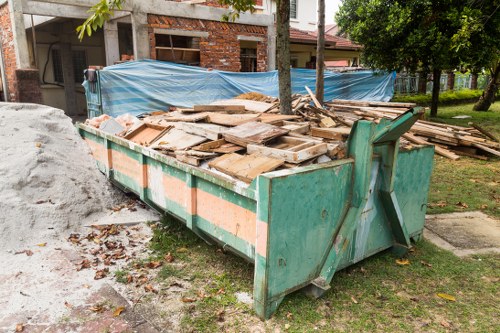
A large green metal skip with orange reflective stripes, positioned on a patch of grass next to a paved walkway, filled with a substantial pile of wooden planks, panels, and debris. The wood appears weathered with visible grain and rough edges, some pieces slightly leaning or stacked unevenly. In the background, there's a construction site with a partially built brick structure covered by blue tarpaulin, and a residential area with trees and greenery, typical of an urban or suburban environment in Docklands. The scene is illuminated by natural daylight, highlighting the textures and colours of the wood and the skip, representing typical rubbish removal tasks that Recycled London might undertake in the area.

Docklands, a bustling area known for its modern infrastructure and vibrant community, plays a significant role in the city's recycling and rubbish management. Effective recycling not only helps in reducing waste but also promotes a sustainable environment for residents and businesses alike.

The Docklands area has implemented comprehensive recycling programs aimed at minimizing landfill use and encouraging the reuse of materials. These initiatives are crucial in tackling the growing issue of waste management in urban settings.

Recycling in Docklands encompasses a wide range of materials, including paper, glass, plastics, and metals. Each category has specific guidelines to ensure that materials are processed correctly, maximizing their potential for reuse and minimizing environmental impact.

Rubbish Collection Services
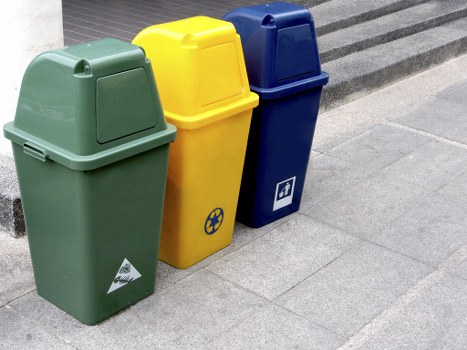
Three upright waste bins are positioned on a paved area adjacent to a building or street in Docklands, London, with a grey, smooth surface below. The first bin on the left is made of green plastic with a matte finish, featuring a flat lid with rounded edges and a recycling symbol on the front. Next to it is a bright yellow bin with a similar matte plastic appearance and a rounded lid, displaying a small circular icon beneath it. To the right, there is a dark blue bin, also plastic with a matte finish, with a rounded lid and a white recycling symbol on the front. The bins are set closely together, aligned side by side, suggesting they are designated for different waste types. They are placed on a concrete pavement with subtle straight lines, and behind them, the image hints at a clean, urban environment typical of the Docklands area, in a setting associated with rubbish collection and recycling services such as those offered by Recycled London.

Efficient rubbish collection services are the backbone of any successful recycling program. In Docklands, collection services are structured to accommodate both residential and commercial waste, ensuring that all sectors contribute to the area's recycling efforts.

Residents can easily dispose of their waste through regular collection schedules, which are designed to be convenient and efficient. Specialized bins are provided for different types of waste, making it simple for individuals to sort their rubbish correctly.

For businesses, Docklands offers tailored waste management solutions that include regular pickups and specialized recycling services. These services help reduce the environmental footprint of businesses while promoting responsible waste disposal practices.

Community Involvement in Recycling
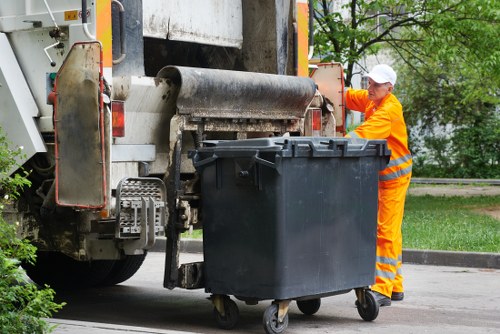
A waste collection operative dressed in high-visibility orange protective clothing and a white cap is shown standing at the side of a large industrial rubbish bin, which is black with a textured, matte finish, positioned on a paved street in Docklands. The bin is situated directly in front of a municipal waste collection vehicle, identifiable by its large gray metal body, rear-loading mechanism, and some red and yellow safety markings. The worker appears to be engaging with the bin, possibly preparing for or completing rubbish disposal. Surrounding the scene are green trees and a grassy verge, indicating the collection takes place in an urban environment with natural landscaping nearby. The lighting suggests a daytime setting with even natural light, emphasizing the contrasting colours of the worker's bright attire and the dark bin. This image captures a routine rubbish removal process typical of professional waste management services provided by Recycled London in the Docklands area, supporting efficient and environmentally responsible refuse collection.

Community involvement is essential in driving the success of recycling programs in Docklands. Local initiatives and educational campaigns are continuously running to raise awareness about the importance of recycling and how individuals can contribute effectively.

Workshops and events are frequently organized to educate residents on proper waste sorting techniques and the benefits of reducing, reusing, and recycling materials. These programs foster a sense of responsibility and encourage active participation from the community.

Volunteering opportunities are also available for those who wish to take a more hands-on approach in promoting recycling efforts. Community clean-up events and recycling drives are some of the ways residents can get involved and make a tangible difference.

Recycling Facilities and Centers
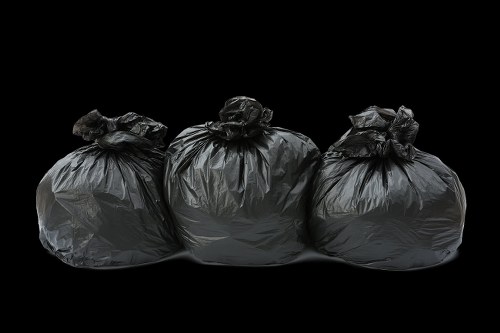
Three large black rubbish bags made of durable plastic, with a glossy finish and tightly knotted openings, are arranged in a row on a flat surface. The bags appear to be filled with waste materials, giving them a rounded, somewhat uneven shape. They are positioned outdoors on a paved area, possibly on a driveway or pavement near residential or commercial premises, with no other objects or background details visible. The lighting creates minimal reflections on the surface of the bags, emphasizing their glossy texture and the creases in the plastic material. The overall setting suggests a typical waste disposal scene in Docklands, where managed rubbish collection services, such as those provided by Recycled London, are regularly involved in maintaining clean environments within urban areas. The focus is solely on the rubbish bags, with no additional tools or containers in sight, illustrating the standard appearance of disposed waste ready for collection.

Docklands is home to several state-of-the-art recycling facilities that play a crucial role in processing and managing waste. These centers are equipped with advanced technologies designed to sort and recycle various materials efficiently.

The facilities offer services such as drop-off points for recyclable materials, providing residents and businesses with easy access to recycling options. By centralizing recycling efforts, Docklands ensures that waste is managed responsibly and sustainably.

Additionally, these centers often collaborate with local organizations to promote recycling initiatives and support community-based environmental projects. This collaboration enhances the overall effectiveness of waste management strategies in the area.

Challenges and Solutions in Rubbish Management

A young woman with dark hair tied back, smiling, is standing in a modern kitchen holding a clear plastic container filled with various discarded plastic bottles and containers, including a yellow plastic bottle on top. She is wearing a light pink polo shirt and blue latex gloves. The kitchen features white cabinetry, a stainless steel sink with a curved faucet, and a window with horizontal blinds in the background. The scene appears well-lit with natural light, and the overall environment suggests a focus on waste management or recycling activities, aligning with services such as rubbish removal in the Docklands area. Recycled London emphasizes proper disposal practices, as indicated by the container filled with recyclables, situated on a clean kitchen countertop, with the backdrop of a typical urban residential setting geared towards sustainable waste handling.

Despite the advancements in recycling and rubbish management, Docklands faces several challenges that need to be addressed to maintain and improve current systems. Urban density, high population, and increased commercial activities contribute to the complexity of waste management in the area.

One of the primary challenges is ensuring that all residents and businesses adhere to recycling guidelines. Effective communication and continuous education are vital in overcoming this hurdle, helping to minimize contamination in recyclable materials and maximize recycling efficiency.

Innovative solutions, such as smart waste bins and real-time collection tracking systems, are being explored to enhance the effectiveness of rubbish management. These technologies can optimize collection routes, reduce operational costs, and improve overall service delivery.

10-15 Closest Areas to Docklands and Their Recycling Features
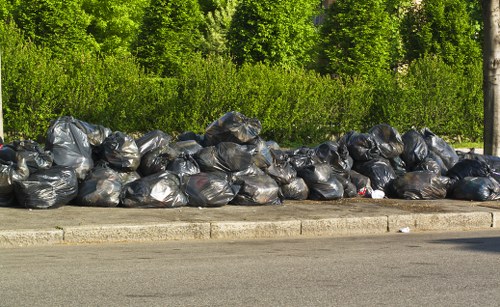
A large collection of black plastic rubbish bags, tightly tied and piled along the edge of a paved roadside, with a grassy hedge and tall green trees in the background. The bags appear to contain mixed household waste and are stacked on a concrete curb within a residential or urban area, possibly in Docklands. The scene is illuminated by natural daylight, with no visible vehicles or waste collection equipment present. The image reflects a scenario where rubbish clearance services, such as those offered by Recycled London, might be required to remove accumulated waste from the street.

Docklands is surrounded by several nearby areas that each contribute uniquely to the region's recycling and rubbish management landscape. Understanding these areas helps in appreciating the collective effort towards sustainability.

  • Canary Wharf: Known for its financial district, Canary Wharf has robust recycling programs catering to both residential and commercial spaces.
  • Greenwich: This historic area emphasizes educational programs on recycling, promoting awareness among its residents.
  • Wapping: Wapping focuses on community-driven recycling initiatives, encouraging local participation.
  • Stratford: With its large residential population, Stratford has extensive waste collection services and recycling facilities.
  • Lewisham: Lewisham offers specialized recycling services for electronic waste, supporting environmental sustainability.
  • Surrey Quays: Surrey Quays integrates recycling into its public amenities, making it accessible for everyone.
  • Bermondsey: Bermondsey hosts various recycling centers that cater to different types of waste, ensuring comprehensive waste management.
  • Millwall: Millwall emphasizes the reuse aspect of recycling, promoting upcycling projects within the community.
  • Isle of Dogs: Isle of Dogs has advanced recycling technologies implemented in their waste processing facilities.
  • Rotherhithe: Rotherhithe encourages the reduction of single-use plastics, aligning with broader environmental goals.
  • Woolwich: Woolwich has increased its recycling capacity to handle the growing waste generated by its expanding population.
  • Deptford: Deptford supports local artists through recycling by providing materials for creative projects.
  • Custom House: Custom House focuses on efficient waste collection systems to enhance recycling rates.
  • Poplar: Poplar integrates recycling education within its schools, fostering a culture of sustainability from a young age.
  • East Wimbledon: East Wimbledon collaborates with local businesses to implement effective recycling practices.

Best Practices for Recycling and Rubbish Disposal

Three black rubbish bags made of shiny plastic are positioned side by side on a flat, dark surface with a plain black background. The bags are full, bulging, and tied tightly at the top with twisted knots, showing slight creases and folds in the material. The bags appear to contain household waste, and their glossy surface reflects minimal light, emphasizing their crumpled texture. The scene is neutral and professional, typical of waste collection or rubbish removal services offered by Recycled London in the Docklands area. The environment is minimalistic, with no other objects or environmental features visible, focusing solely on the waste bags as a visual representation of rubbish ready for disposal or recycling, consistent with the context of rubbish management in east London.

This detailed visual description supports accessible content for users seeking rubbish removal services, subtly grounding the scene in the local London context without overt promotion.

Adopting best practices in recycling and rubbish disposal is essential for maintaining a clean and sustainable Docklands. Proper waste segregation, responsible disposal, and active participation in recycling programs are key components of these practices.

Residents should familiarize themselves with the local recycling guidelines, ensuring that they separate recyclables from non-recyclables correctly. This reduces contamination and improves the efficiency of recycling processes.

Additionally, minimizing waste generation by opting for reusable products and reducing single-use items can significantly impact the area's overall waste management efforts.

Innovative Recycling Projects in Docklands
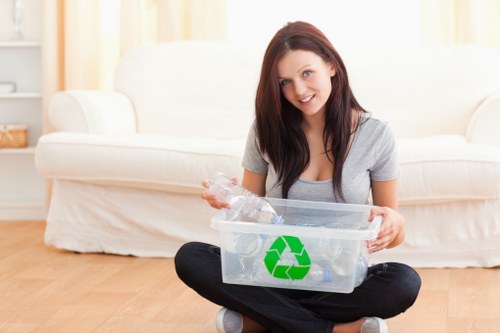
A young woman with long brown hair, wearing a light grey T-shirt and black pants, sits cross-legged on a wooden floor in a bright, modern living room. She is smiling and holding a clear plastic container with a green recycling symbol on its side. Inside the container, various transparent plastic bottles and other recyclable packaging materials are visible. In the background, there is a cream-colored sofa with light-colored cushions, and the room is filled with natural light coming from windows or curtains behind her. The setting suggests a clean, organized indoor space focused on sustainable waste management and recycling practices, with a subtle connection to rubbish collection and eco-friendly disposal services in Docklands.

Docklands is at the forefront of innovative recycling projects that aim to revolutionize waste management practices. These projects focus on enhancing recycling processes, promoting sustainability, and engaging the community in environmental initiatives.

One notable project is the implementation of smart recycling bins equipped with sensors that monitor waste levels. This technology optimizes collection routes and schedules, reducing operational costs and improving service efficiency.

Another initiative involves the transformation of waste materials into useful products. For example, plastics collected from recycling centers are being repurposed into building materials, contributing to a circular economy and reducing the demand for new resources.

Impact of Recycling on the Environment

A large green metal skip filled with a variety of wooden planks, broken furniture, and construction debris, situated outdoors on a patch of grass near a pavement in a residential area. The skip, with orange reflective markings, is positioned beside a pile of white gravel or aggregate on the left side and close to a blue tarpaulin covering part of an under-construction brick building in the background. Surrounding the skip are mature trees and a well-maintained lawn, suggesting a suburban environment. The scene indicates ongoing building or renovation work, with Recycled London providing rubbish removal services in Docklands, evident through the urban setting and typical waste materials seen in the skip.

Recycling has a profound impact on the environment, particularly in urban areas like Docklands. By diverting waste from landfills, recycling reduces greenhouse gas emissions and conserves natural resources.

Recycling materials such as paper, glass, and metals lowers the need for raw material extraction, minimizing habitat destruction and preserving biodiversity. Additionally, energy consumption is significantly reduced in the production of recycled goods compared to their original counterparts.

Furthermore, effective recycling practices help mitigate pollution, protecting both local ecosystems and public health. The cumulative effect of these environmental benefits underscores the importance of robust recycling programs in Docklands.

Educational Programs and Workshops
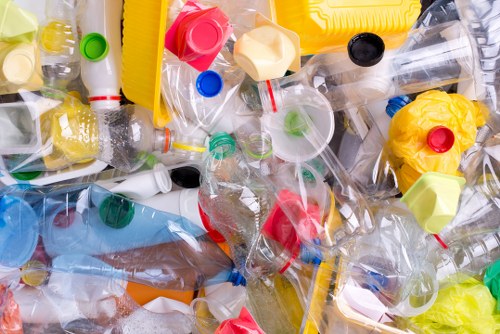
A densely packed pile of various discarded plastic bottles and containers, including clear, coloured, and opaque options, with some featuring caps and labels, resting on a surface that appears to be an indoor or outdoor area. The bottles are different shapes and sizes, with some crushed or deformed, and are intertwined with pieces of plastic wrapping or bag fragments. The environment shows a mixture of natural and artificial light, highlighting the glossy textures of the plastics. This collection of waste reflects typical rubbish collected during waste management services, such as those offered by Recycled London, in the Docklands area. The image emphasizes the importance of proper recycling practices and waste disposal to reduce environmental impact, especially in urban settings like Docklands where waste collection is a frequent service. The background hints at an area designated for waste sorting or collection, with no visible vehicle present. Overall, the scene illustrates a common sight of plastic waste awaiting removal or recycling, consistent with rubbish collection activities across London postcodes.

Education plays a crucial role in promoting recycling and responsible rubbish disposal. Docklands offers a variety of educational programs and workshops aimed at informing residents about sustainable practices and the benefits of recycling.

These programs cover topics such as proper waste sorting, the lifecycle of recyclable materials, and the environmental impact of waste. By increasing awareness, these initiatives encourage individuals to adopt more sustainable behaviors in their daily lives.

Workshops also provide practical training on techniques like composting and upcycling, empowering residents to reduce their waste footprint and contribute to the community's sustainability goals.

Future of Recycling in Docklands

[IMG_11]

The future of recycling in Docklands looks promising, with continuous advancements in technology and increasing community engagement driving improvements in waste management practices.

Emerging technologies such as automated sorting systems and biodegradable materials are set to revolutionize recycling processes, making them more efficient and environmentally friendly.

Additionally, ongoing efforts to expand recycling facilities and enhance educational programs will further solidify Docklands' commitment to sustainability, ensuring a cleaner and greener future for the community.

Frequently Asked Questions

[IMG_12]

1. What materials are accepted for recycling in Docklands?

Docklands accepts a wide range of recyclable materials, including paper, cardboard, glass bottles and jars, plastics labeled with recycling symbols, and metals. It's important to follow the local guidelines to ensure proper recycling.

2. Where can I find recycling drop-off points in Docklands?

Recycling drop-off points are conveniently located throughout Docklands in recycling centers, community hubs, and designated public areas. You can find specific locations on the Docklands waste management website or through local community boards.

3. How often is rubbish collected in Docklands?

Rubbish collection schedules vary depending on your specific location within Docklands. Typically, residential areas have weekly collection services, while commercial zones may have more frequent pickups. Check with your local waste management provider for exact schedules.

4. Can I recycle electronic waste in Docklands?

Yes, Docklands provides special recycling services for electronic waste, including old computers, phones, and other electronic devices. These items should be taken to designated e-waste recycling centers to ensure they are processed safely and responsibly.

5. What can I do to reduce my waste footprint in Docklands?

To reduce your waste footprint, practice proper recycling by sorting your waste correctly, minimize the use of single-use plastics, compost organic waste, and opt for reusable products whenever possible. Additionally, participate in community recycling programs and stay informed about sustainable practices.


Frequently Asked Questions

Our Docklands team utilizes state-of-the-art recycling equipment and industry-standard methods to ensure efficient and effective waste management. From advanced sorting machines to eco-friendly collection vehicles, we handle your recyclables with care. Trust our local experts to provide top-notch recycling services in Docklands. Contact our Docklands team for a quick quote.

Yes, our recycling services in Docklands are accredited by leading industry bodies, ensuring adherence to the highest standards of quality and environmental responsibility. These accreditations demonstrate our commitment to providing reliable and trustworthy recycling solutions. Choose our certified Docklands recycling experts for peace of mind.

Absolutely. Our Docklands recycling services are fully certified and insured, guaranteeing legal compliance and protection for your property. These certifications reflect our dedication to maintaining safe and professional operations. Trust our licensed Docklands team for all your recycling and rubbish needs.

We pride ourselves on being highly environmentally responsible, recycling up to 98% of all materials collected in Docklands. Our eco-conscious practices reduce landfill waste and promote sustainability in the local community. Partner with our Docklands experts to make a positive environmental impact.

With over a decade of experience in Docklands, our recycling services are trusted by countless local residents and businesses. We are licensed, insured, and committed to transparent, ethical practices. Our long-standing presence in Docklands ensures you receive reliable and professional recycling solutions every time.

We offer competitive and affordable recycling and rubbish removal services in Docklands, tailored to fit various budgets and needs. Our transparent pricing ensures no hidden fees, providing excellent value for high-quality service. Get in touch with our Docklands team for an affordable quote today.

Our Docklands recycling experts implement eco-friendly practices such as using energy-efficient vehicles, minimizing single-use plastics, and ensuring proper sorting and processing of recyclables. These initiatives help reduce our carbon footprint and support a sustainable environment in Docklands. Choose our green recycling solutions today.

We offer prompt recycling services in Docklands, including same-day collection for urgent needs. Our efficient scheduling ensures your rubbish is handled swiftly and professionally. Contact our Docklands team to arrange a quick and convenient recycling service that fits your timeline.

Yes, we provide same-day recycling and rubbish removal services in Docklands to address your immediate needs. Our dedicated team is ready to assist you promptly, ensuring your waste is managed efficiently. Reach out to our Docklands experts for fast and reliable service.

Recycling in Docklands significantly contributes to local sustainability by reducing waste, conserving resources, and minimizing environmental impact. Our dedicated efforts ensure materials are properly processed and reused, fostering a greener community. Support local sustainability by choosing our Docklands recycling services.

Our Docklands team accepts a wide range of recyclable items, including paper, plastics, metals, electronics, and household waste. We also handle bulky items like furniture and appliances with specialized care. For specific recycling needs, contact our Docklands experts to ensure proper disposal and recycling of your items.

We prioritize safety and transparency in all our Docklands recycling services by adhering to strict protocols, maintaining comprehensive insurance, and providing clear communication throughout the process. Our transparent pricing and ethical practices build trust with our customers, ensuring a secure and reliable recycling experience.
Recycled London

A comprehensive guide to recycling and rubbish management in Docklands, exploring local facilities, nearby areas, and offering practical tips for residents.

Get A Quote

Get In Touch With Us.

Please fill out the form below to send us an email and we will get back to you as soon as possible.