Recycling and Rubbish in Dulwich: A Comprehensive Guide
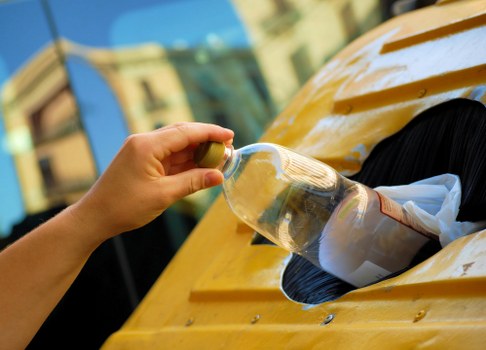
A close-up view of a person’s hand placing a clear glass bottle into a yellow external waste collection box, with the bottle partially filled with water. The box is situated outdoors on a paved area, adjacent to a building with large windows and a decorative façade, suggesting an urban or residential setting in Dulwich. The bottle is held by the neck, and the box's opening is visible, containing a few other items including a white paper or plastic bag. The scene depicts routine rubbish disposal as part of local waste management services by Recycled London, aligning with general rubbish collection procedures in the area, and emphasizing environmentally conscious waste disposal practices in the borough.

Dulwich, a vibrant and leafy district in South London, has made significant strides in managing waste and promoting recycling. As environmental concerns grow, understanding how to properly dispose of rubbish and participate in recycling programs is essential for residents.

The local council in Dulwich offers a range of services designed to make recycling easy and efficient. From regular rubbish collection to specialized recycling centers, residents have access to the resources they need to reduce their environmental footprint.

Engaging in recycling not only helps the environment but also fosters a sense of community. By participating in local initiatives, residents can contribute to a cleaner, greener Dulwich.

Understanding Dulwich’s Recycling Services
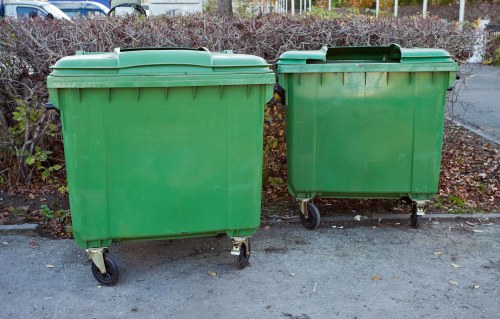
Two green plastic wheelie bins, used for rubbish collection, are positioned side by side on a paved surface, with the wider bin on the left and the smaller on the right. Both bins have lids closed and are mounted on black wheels for mobility. The surface beneath the bins appears to be concrete or tarmac, with some fallen leaves scattered nearby. In the background, a hedge with bare branches suggests a late autumn or winter setting, and a metal fence with horizontal bars is visible across the top of the hedge. The overall scene indicates a typical rubbish disposal area in a residential or community setting, consistent with waste management practices for properties in Dulwich or similar areas, as managed by local rubbish collection services. The lighting is natural, with diffuse daylight illuminating the scene evenly.

Dulwich provides comprehensive recycling services to ensure that waste is managed responsibly. The council offers separate collection for various types of recyclables, including paper, glass, plastics, and metals.

Each household is equipped with designated bins for different materials. Clearly labeled containers make it easier for residents to sort their waste correctly, ensuring that recyclables are processed efficiently.

In addition to regular collections, Dulwich hosts periodic recycling drives. These events allow residents to dispose of larger items and electronic waste, which are not typically handled through standard services.

Rubbish Collection Schedule
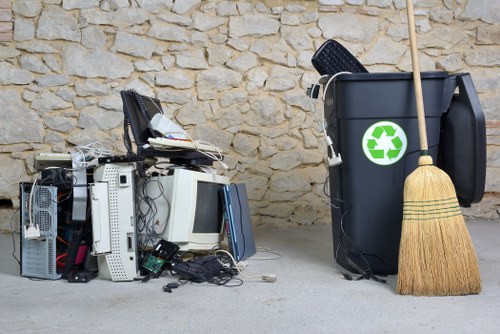
A pile of discarded electronic waste including old computer towers, monitors, keyboards, and cables is situated on a concrete surface in front of a beige stone wall. To the right of the electronic waste, there is a black rubbish bin with a green recycling symbol on its front, positioned next to a traditional straw broom with a wooden handle leaning against the bin. The scene appears to be an outdoor or garage area, reflecting typical rubbish removal and recycling practices relevant to Dulwich in south London, with a focus on electronic waste disposal managed by services like Recycled London. The lighting is natural and diffuse, highlighting the different textures of the electronic components, the stone wall, and the sweeping broom, emphasizing the importance of proper rubbish management and recycling at the local level.

The rubbish collection schedule in Dulwich is designed to accommodate the needs of its residents. Typically, general waste is collected once a week, while recycling collections occur on specific days to streamline the process.

Residents are encouraged to familiarize themselves with the collection schedule to ensure that waste is placed out on the correct days. Missing a collection can lead to accumulation and potential health hazards.

Moreover, the council provides reminders and updates through their official website and local community boards, keeping everyone informed about any changes or disruptions in the schedule.

Recycling Centers and Facilities
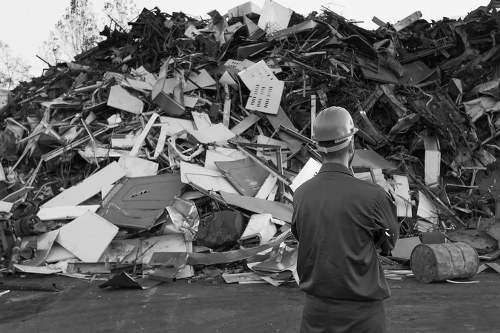
A man wearing a safety helmet and protective clothing stands in front of a large mound of mixed waste materials, including broken appliances, plastic panels, metal scraps, and discarded household items, piled high on what appears to be an outdoor industrial site or waste yard. The background shows additional waste and possibly some trees in the distance, with natural lighting indicating daytime. The scene reflects a waste management or rubbish clearance operation, relevant to services provided by Recycled London in Dulwich, London, emphasizing the scale of bulky or industrial rubbish removal tasks typical for local rubbish disposal. The textures of the materials vary from smooth plastics to rough metal surfaces, with the waste arranged in a chaotic but sizable heap that dominates the image frame, highlighting the need for professional waste clearance in the area.

Dulwich is home to several recycling centers where residents can drop off specific types of waste. These centers are equipped to handle items that are not collected during regular recycling services.

Common items accepted include electronics, furniture, and hazardous materials such as batteries and chemicals. Proper disposal of these items is crucial to prevent environmental contamination.

The recycling centers are staffed by knowledgeable personnel who can assist residents in correctly sorting and disposing of their waste, ensuring that each item is processed appropriately.

Composting Initiatives
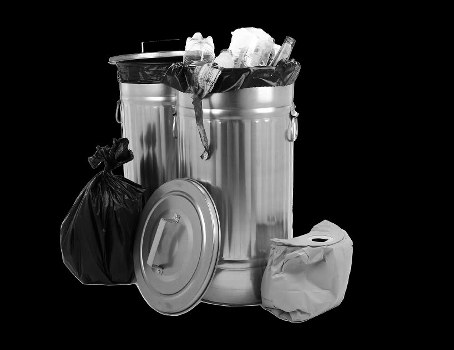
A large cylindrical metal rubbish bin with a closed lid, positioned in the foreground of the image, partially filled with crumpled paper, plastic bottles, and other waste items. The bin's surface is reflective and polished, with a slightly textured finish. To the left of the bin, there is a tied black plastic bag resting on the ground, likely used for waste collection. To the right, a smaller, crumpled paper bag is also placed on the surface, while the lid of the bin leans against its side, indicating recent use. The background features a plain, dark backdrop, focusing attention on the waste containers and refuse. The scene is well-lit, highlighting the metallic sheen of the bin and the various textures of the waste materials, emphasizing the importance of effective rubbish management services, such as those provided by Recycled London, in the Dulwich area, within South London. This visual illustrates typical household or commercial waste ready for collection, supporting environmentally responsible rubbish disposal practices.

Composting is another important aspect of Dulwich’s waste management strategy. Residents are encouraged to compost organic waste, such as kitchen scraps and garden debris, to reduce landfill usage and produce valuable compost for gardening.

The council provides compost bins and offers workshops on effective composting techniques. These initiatives promote sustainable living and help residents contribute to a circular economy.

Local community gardens benefit from the compost produced, fostering a stronger connection between residents and their green spaces.

Benefits of Recycling in Dulwich

A close-up view of a person’s hand placing a clear glass bottle into a yellow external waste collection box, with the bottle partially filled with water. The box is situated outdoors on a paved area, adjacent to a building with large windows and a decorative façade, suggesting an urban or residential setting in Dulwich. The bottle is held by the neck, and the box's opening is visible, containing a few other items including a white paper or plastic bag. The scene depicts routine rubbish disposal as part of local waste management services by Recycled London, aligning with general rubbish collection procedures in the area, and emphasizing environmentally conscious waste disposal practices in the borough.

Recycling offers numerous benefits, both environmentally and socially. By diverting waste from landfills, recycling reduces greenhouse gas emissions and conserves natural resources.

Moreover, recycling creates job opportunities within the community, from collection and sorting to processing and manufacturing recycled products.

Engaging in recycling also promotes community pride and encourages a culture of sustainability, making Dulwich a better place to live for current and future residents.

Environmental Impact

Two green plastic wheelie bins, used for rubbish collection, are positioned side by side on a paved surface, with the wider bin on the left and the smaller on the right. Both bins have lids closed and are mounted on black wheels for mobility. The surface beneath the bins appears to be concrete or tarmac, with some fallen leaves scattered nearby. In the background, a hedge with bare branches suggests a late autumn or winter setting, and a metal fence with horizontal bars is visible across the top of the hedge. The overall scene indicates a typical rubbish disposal area in a residential or community setting, consistent with waste management practices for properties in Dulwich or similar areas, as managed by local rubbish collection services. The lighting is natural, with diffuse daylight illuminating the scene evenly.

The environmental impact of recycling is significant. Proper waste management helps in reducing pollution, conserving energy, and preserving ecosystems.

Recycling materials like paper and plastic reduces the need for virgin resources, minimizing deforestation and oil extraction.

Additionally, recycling helps in lowering carbon emissions, contributing to the fight against climate change.

How to Get Involved

A pile of discarded electronic waste including old computer towers, monitors, keyboards, and cables is situated on a concrete surface in front of a beige stone wall. To the right of the electronic waste, there is a black rubbish bin with a green recycling symbol on its front, positioned next to a traditional straw broom with a wooden handle leaning against the bin. The scene appears to be an outdoor or garage area, reflecting typical rubbish removal and recycling practices relevant to Dulwich in south London, with a focus on electronic waste disposal managed by services like Recycled London. The lighting is natural and diffuse, highlighting the different textures of the electronic components, the stone wall, and the sweeping broom, emphasizing the importance of proper rubbish management and recycling at the local level.

Getting involved in recycling and rubbish management in Dulwich is straightforward. Here are some steps residents can take:

  • Sort your waste into recyclables and non-recyclables.
  • Participate in local recycling drives and events.
  • Compost organic waste to reduce landfill usage.
  • Educate yourself and others about proper waste management practices.
  • Support local initiatives and policies aimed at improving recycling infrastructure.

By taking these actions, residents can make a meaningful impact on their community and the environment.

Community Initiatives

A man wearing a safety helmet and protective clothing stands in front of a large mound of mixed waste materials, including broken appliances, plastic panels, metal scraps, and discarded household items, piled high on what appears to be an outdoor industrial site or waste yard. The background shows additional waste and possibly some trees in the distance, with natural lighting indicating daytime. The scene reflects a waste management or rubbish clearance operation, relevant to services provided by Recycled London in Dulwich, London, emphasizing the scale of bulky or industrial rubbish removal tasks typical for local rubbish disposal. The textures of the materials vary from smooth plastics to rough metal surfaces, with the waste arranged in a chaotic but sizable heap that dominates the image frame, highlighting the need for professional waste clearance in the area.

Dulwich boasts a range of community-led recycling initiatives. From neighborhood clean-up events to educational workshops, these programs encourage active participation in waste management.

Local schools also play a role by teaching students about the importance of recycling and sustainability, fostering environmental stewardship from a young age.

Residents can join or volunteer with these initiatives to contribute to a cleaner and more sustainable Dulwich.

Local Regulations and Guidelines

A large cylindrical metal rubbish bin with a closed lid, positioned in the foreground of the image, partially filled with crumpled paper, plastic bottles, and other waste items. The bin's surface is reflective and polished, with a slightly textured finish. To the left of the bin, there is a tied black plastic bag resting on the ground, likely used for waste collection. To the right, a smaller, crumpled paper bag is also placed on the surface, while the lid of the bin leans against its side, indicating recent use. The background features a plain, dark backdrop, focusing attention on the waste containers and refuse. The scene is well-lit, highlighting the metallic sheen of the bin and the various textures of the waste materials, emphasizing the importance of effective rubbish management services, such as those provided by Recycled London, in the Dulwich area, within South London. This visual illustrates typical household or commercial waste ready for collection, supporting environmentally responsible rubbish disposal practices.

Adhering to local regulations and guidelines is essential for effective waste management. Dulwich’s council provides clear instructions on what can and cannot be recycled, as well as how to dispose of different types of waste.

Violating these guidelines can result in fines and penalties, making it important for residents to stay informed and comply with the rules.

The council’s website offers comprehensive information on waste disposal, recycling procedures, and updates on any changes to regulations.

Reporting Issues

A close-up view of a person’s hand placing a clear glass bottle into a yellow external waste collection box, with the bottle partially filled with water. The box is situated outdoors on a paved area, adjacent to a building with large windows and a decorative façade, suggesting an urban or residential setting in Dulwich. The bottle is held by the neck, and the box's opening is visible, containing a few other items including a white paper or plastic bag. The scene depicts routine rubbish disposal as part of local waste management services by Recycled London, aligning with general rubbish collection procedures in the area, and emphasizing environmentally conscious waste disposal practices in the borough.

If residents encounter problems with waste collection or notice illegal dumping, they should report these issues to the council immediately.

Prompt reporting helps maintain the cleanliness and safety of the community, ensuring that waste management systems function effectively.

The council provides various channels for reporting, including online forms, phone lines, and community offices.

Recycling Tips for Dulwich Residents

Two green plastic wheelie bins, used for rubbish collection, are positioned side by side on a paved surface, with the wider bin on the left and the smaller on the right. Both bins have lids closed and are mounted on black wheels for mobility. The surface beneath the bins appears to be concrete or tarmac, with some fallen leaves scattered nearby. In the background, a hedge with bare branches suggests a late autumn or winter setting, and a metal fence with horizontal bars is visible across the top of the hedge. The overall scene indicates a typical rubbish disposal area in a residential or community setting, consistent with waste management practices for properties in Dulwich or similar areas, as managed by local rubbish collection services. The lighting is natural, with diffuse daylight illuminating the scene evenly.

To enhance your recycling efforts, consider the following tips:

  • Rinse and clean recyclables before disposal.
  • Avoid contaminating recyclables with food waste.
  • Break down large items to save space.
  • Separate different materials to streamline processing.
  • Stay updated on the latest recycling guidelines from the council.

Implementing these practices can improve the efficiency of recycling programs and reduce overall waste.

Reducing Waste at Source

A pile of discarded electronic waste including old computer towers, monitors, keyboards, and cables is situated on a concrete surface in front of a beige stone wall. To the right of the electronic waste, there is a black rubbish bin with a green recycling symbol on its front, positioned next to a traditional straw broom with a wooden handle leaning against the bin. The scene appears to be an outdoor or garage area, reflecting typical rubbish removal and recycling practices relevant to Dulwich in south London, with a focus on electronic waste disposal managed by services like Recycled London. The lighting is natural and diffuse, highlighting the different textures of the electronic components, the stone wall, and the sweeping broom, emphasizing the importance of proper rubbish management and recycling at the local level.

Reducing waste at its source is a proactive way to minimize the amount of rubbish that needs to be managed. Here are some strategies:

  1. Choose reusable products instead of single-use items.
  2. Buy in bulk to reduce packaging waste.
  3. Repair and reuse items whenever possible.
  4. Compost kitchen scraps and garden waste.
  5. Donate or sell items you no longer need.

By adopting these habits, residents can significantly cut down on their waste production.

Nearby Areas with Recycling Initiatives

A man wearing a safety helmet and protective clothing stands in front of a large mound of mixed waste materials, including broken appliances, plastic panels, metal scraps, and discarded household items, piled high on what appears to be an outdoor industrial site or waste yard. The background shows additional waste and possibly some trees in the distance, with natural lighting indicating daytime. The scene reflects a waste management or rubbish clearance operation, relevant to services provided by Recycled London in Dulwich, London, emphasizing the scale of bulky or industrial rubbish removal tasks typical for local rubbish disposal. The textures of the materials vary from smooth plastics to rough metal surfaces, with the waste arranged in a chaotic but sizable heap that dominates the image frame, highlighting the need for professional waste clearance in the area.

Recycling efforts extend beyond Dulwich, with several nearby areas also actively participating in waste management programs. These neighboring districts share similar initiatives and collaborate to promote sustainability across the region.

  • West Dulwich: Known for its community gardens and recycling workshops.
  • East Dulwich: Hosts regular waste collection drives and eco-markets.
  • Sydenham: Features extensive recycling facilities and education programs.
  • Forest Hill: Offers composting services and green waste collection.
  • Honor Oak: Active in promoting zero-waste lifestyles and recycling awareness.
  • West Norwood: Provides dedicated bins for hazardous waste disposal.
  • South Dulwich: Engages residents through clean-up events and recycling incentives.
  • Peckham: Facilitates electronic waste recycling and sustainable workshops.
  • Kennington: Integrates recycling education in local schools and communities.
  • Tooting: Supports large item recycling and community-driven waste management.
  • Crystal Palace: Enhances recycling accessibility with multiple drop-off points.
  • Brixton: Incorporates recycling into urban development plans and public spaces.
  • Herne Hill: Focuses on recycling innovation and sustainable practices.
  • Crystal Palace Park: Promotes green waste recycling through park management services.

These areas collectively contribute to a robust recycling network, ensuring that waste management is handled efficiently across the broader Dulwich region.

Future of Recycling and Rubbish in Dulwich

A large cylindrical metal rubbish bin with a closed lid, positioned in the foreground of the image, partially filled with crumpled paper, plastic bottles, and other waste items. The bin's surface is reflective and polished, with a slightly textured finish. To the left of the bin, there is a tied black plastic bag resting on the ground, likely used for waste collection. To the right, a smaller, crumpled paper bag is also placed on the surface, while the lid of the bin leans against its side, indicating recent use. The background features a plain, dark backdrop, focusing attention on the waste containers and refuse. The scene is well-lit, highlighting the metallic sheen of the bin and the various textures of the waste materials, emphasizing the importance of effective rubbish management services, such as those provided by Recycled London, in the Dulwich area, within South London. This visual illustrates typical household or commercial waste ready for collection, supporting environmentally responsible rubbish disposal practices.

The future of recycling and rubbish management in Dulwich looks promising, with ongoing initiatives aimed at improving sustainability and reducing waste. Technological advancements and increased community participation are key factors driving this progress.

Plans include expanding recycling facilities, introducing more efficient waste collection systems, and enhancing public awareness campaigns to encourage responsible waste management.

By continuing to invest in these areas, Dulwich aims to set an example for other communities, showcasing how effective recycling and rubbish management can lead to a cleaner and more sustainable environment.

Innovative Solutions

A close-up view of a person’s hand placing a clear glass bottle into a yellow external waste collection box, with the bottle partially filled with water. The box is situated outdoors on a paved area, adjacent to a building with large windows and a decorative façade, suggesting an urban or residential setting in Dulwich. The bottle is held by the neck, and the box's opening is visible, containing a few other items including a white paper or plastic bag. The scene depicts routine rubbish disposal as part of local waste management services by Recycled London, aligning with general rubbish collection procedures in the area, and emphasizing environmentally conscious waste disposal practices in the borough.

Innovative solutions are being explored to further enhance recycling efforts. These include the implementation of smart bins that monitor waste levels, the use of recycled materials in local construction projects, and the promotion of circular economy principles.

Collaboration with local businesses and organizations is crucial in driving these innovations, ensuring that recycling remains a priority in Dulwich’s development plans.

Residents are encouraged to stay informed about these advancements and participate in adopting new practices that support sustainability.

Conclusion

Two green plastic wheelie bins, used for rubbish collection, are positioned side by side on a paved surface, with the wider bin on the left and the smaller on the right. Both bins have lids closed and are mounted on black wheels for mobility. The surface beneath the bins appears to be concrete or tarmac, with some fallen leaves scattered nearby. In the background, a hedge with bare branches suggests a late autumn or winter setting, and a metal fence with horizontal bars is visible across the top of the hedge. The overall scene indicates a typical rubbish disposal area in a residential or community setting, consistent with waste management practices for properties in Dulwich or similar areas, as managed by local rubbish collection services. The lighting is natural, with diffuse daylight illuminating the scene evenly.

Recycling and rubbish management in Dulwich are integral to maintaining a healthy and sustainable community. With comprehensive services, active community participation, and ongoing initiatives, Dulwich is well-equipped to handle waste responsibly.

Residents play a vital role in these efforts by adhering to guidelines, participating in recycling programs, and adopting sustainable practices in their daily lives.

Together, the community can continue to foster a cleaner, greener Dulwich for generations to come.

Frequently Asked Questions

A pile of discarded electronic waste including old computer towers, monitors, keyboards, and cables is situated on a concrete surface in front of a beige stone wall. To the right of the electronic waste, there is a black rubbish bin with a green recycling symbol on its front, positioned next to a traditional straw broom with a wooden handle leaning against the bin. The scene appears to be an outdoor or garage area, reflecting typical rubbish removal and recycling practices relevant to Dulwich in south London, with a focus on electronic waste disposal managed by services like Recycled London. The lighting is natural and diffuse, highlighting the different textures of the electronic components, the stone wall, and the sweeping broom, emphasizing the importance of proper rubbish management and recycling at the local level.

1. What items can I recycle in Dulwich?

You can recycle paper, cardboard, glass bottles, plastics, and metals. Additionally, electronics, batteries, and large household items can be taken to local recycling centers.

2. How often is rubbish collected in Dulwich?

General waste is collected once a week, while recycling collections occur on specific days. It's best to check the local council's schedule for exact dates.

3. Where can I drop off large items for recycling?

Large items can be dropped off at designated recycling centers in Dulwich, such as the local waste transfer station or during special recycling drives organized by the council.

4. How can I reduce my household waste?

Reduce waste by using reusable products, composting organic materials, repairing items instead of discarding them, and buying products with minimal packaging.

5. What should I do with hazardous waste?

Hazardous waste, including batteries, chemicals, and electronics, should be taken to specialized recycling centers that can handle and dispose of them safely.


Frequently Asked Questions

Our Dulwich team utilizes state-of-the-art machinery and eco-friendly techniques to ensure efficient waste sorting and recycling. We continuously invest in advanced equipment to handle various materials responsibly. Contact our Dulwich experts for a quick quote.

Yes, our recycling and rubbish services in Dulwich are accredited by leading industry organizations, ensuring we meet the highest standards of quality and sustainability. Trust our certified team for all your waste management needs.

Absolutely. We hold all required certifications and comprehensive insurance to provide legally compliant and secure recycling services in Dulwich. Feel confident choosing our trusted local providers.

We proudly recycle over 98% of collected materials in Dulwich, demonstrating our commitment to environmental sustainability. Our eco-conscious practices help reduce landfill waste and promote a greener community.

Our Dulwich-based services offer competitive pricing for comprehensive waste collection and recycling. Whether you need regular pickups or one-time cleanups, we provide cost-effective solutions tailored to your needs.

With over a decade of experience serving Dulwich, our knowledgeable team ensures efficient and reliable rubbish management. We understand the local area and provide personalized services to meet your recycling needs.

Yes, we offer same-day waste collection services in Dulwich to accommodate urgent recycling and rubbish removal needs. Contact our Dulwich team today to arrange prompt and dependable service.

Our Dulwich recycling services handle a wide range of materials, including paper, plastics, metals, electronics, and household waste. We ensure each item is processed responsibly to maximize recycling efficiency.

We maintain full transparency in our Dulwich operations by providing detailed reports on waste collection and recycling outcomes. Our commitment to honesty builds trust with our local community.

Yes, our Dulwich rubbish management practices prioritize ethical handling of all materials. We adhere to strict guidelines to ensure fair treatment of workers and environmentally sound disposal methods.

Our Dulwich recycling service stands out due to our exceptional customer service, high recycling rates, and commitment to sustainability. Choose us for reliable and eco-friendly waste management solutions.

Reach out to our experienced Dulwich team via phone or email for personalized recycling and rubbish management services. We're here to provide expert advice and tailor solutions to fit your needs.
Recycled London

A detailed guide on recycling and rubbish management in Dulwich, covering local services, nearby areas, and practical tips for residents.

Get A Quote

Get In Touch With Us.

Please fill out the form below to send us an email and we will get back to you as soon as possible.