Recycling and Rubbish East Ham: A Comprehensive Guide

East Ham is a vibrant community with a strong commitment to sustainability and environmental responsibility. Proper recycling and rubbish management are essential for maintaining the area's cleanliness and reducing its ecological footprint.
Understanding the available recycling facilities and rubbish disposal services in East Ham can help residents effectively manage their waste. This guide provides an in-depth look at the resources, guidelines, and community initiatives that support recycling and rubbish management in East Ham.
Whether you're a long-time resident or new to the area, this comprehensive overview will equip you with the knowledge needed to contribute positively to East Ham's environmental goals.
Recycling Facilities in East Ham
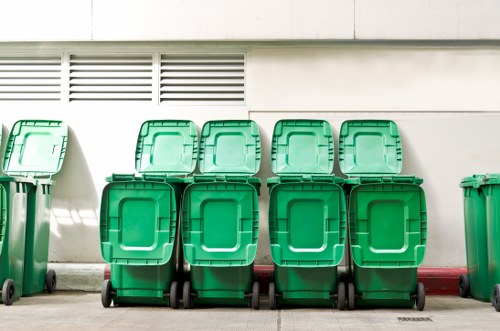
East Ham boasts several recycling centers that cater to various types of recyclable materials. These facilities are equipped to handle everything from paper and plastics to electronics and hazardous waste.
The local recycling centers are easily accessible to residents, ensuring that recycling is convenient and efficient. They offer clear guidelines on what can be recycled and how to prepare items for collection.
In addition to traditional recycling centers, East Ham provides curbside collection services, making it even simpler for households to separate and dispose of their recyclables.
Local Recycling Centers
East Ham's primary recycling center is located on East Avenue, providing residents with a central location to drop off recyclable materials. The center accepts a wide range of items, including:
- Paper and cardboard
- Plastics and glass bottles
- Metal cans
- Electronics and e-waste
- Hazardous household waste
The center operates from Monday to Saturday, ensuring ample opportunity for residents to participate in recycling efforts.
Curbside Collection Services
For added convenience, East Ham offers curbside recycling collection. Residents are encouraged to separate their recyclables from general waste and place them in designated bins for pickup.
The curbside service adheres to a strict schedule, ensuring that recycling materials are collected regularly and processed appropriately.
Participation in curbside collection not only simplifies the recycling process but also promotes community-wide environmental stewardship.
Rubbish Disposal Services
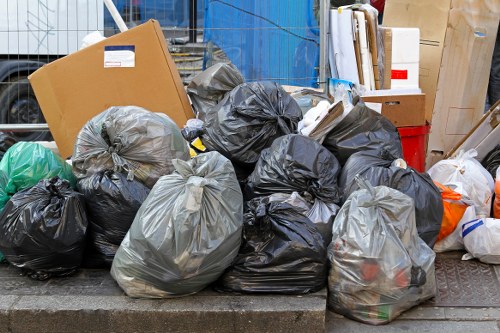
Effective rubbish disposal is crucial for maintaining the cleanliness and health of East Ham. The area offers both public and private rubbish disposal services to meet the diverse needs of its residents.
Public services are managed by the local council, providing regular waste collection and management. Private services offer additional flexibility and specialized disposal options for larger or more complex waste items.
Choosing the right rubbish disposal service ensures that waste is handled responsibly and in accordance with environmental regulations.
Private vs. Public Services
Public rubbish disposal services are ideal for everyday waste management, offering scheduled pickups and standardized disposal methods. These services are accessible to all residents and are often included in local council funding.
Private rubbish disposal services cater to specific needs, such as the removal of bulky items or hazardous materials. They offer tailored solutions for businesses and households requiring specialized waste management.
Both public and private services play a vital role in ensuring comprehensive rubbish management in East Ham.
Recycling vs. Landfill
Recycling is a sustainable alternative to traditional landfill disposal. By recycling, materials are repurposed, reducing the need for new raw resources and minimizing environmental impact.
Landfills, while necessary for non-recyclable waste, pose significant environmental challenges, including land use and potential pollution. East Ham aims to minimize landfill use through robust recycling programs.
Encouraging recycling over landfill disposal benefits both the environment and the community.
Recycling Guidelines in East Ham
Adhering to recycling guidelines ensures that materials are processed correctly and efficiently. East Ham provides clear instructions to help residents navigate the recycling process.
Proper sorting and preparation of recyclables are essential for effective recycling. Mismanaged recyclables can contaminate batches and hinder processing.
Following these guidelines not only facilitates recycling efforts but also maximizes the environmental benefits of waste management.
What Can Be Recycled
East Ham's recycling program accepts a variety of materials, including:
- Paper products such as newspapers, magazines, and cardboard
- Plastics marked with recycling symbols
- Glass bottles and jars
- Metal cans and aluminum foil
- Electronics and small appliances
- Battery and electronic waste
Items should be clean and dry to prevent contamination. Certain hazardous materials require special handling and should be taken to designated facilities.
How to Sort Your Waste
Effective waste sorting starts at home. East Ham encourages residents to use separate bins for recycling, general waste, and hazardous materials.
Labeling bins clearly and following the local recycling schedule helps maintain organized and efficient collection processes.
Educating all household members about proper sorting practices further enhances the community's recycling efforts.
Environmental Impact of Recycling
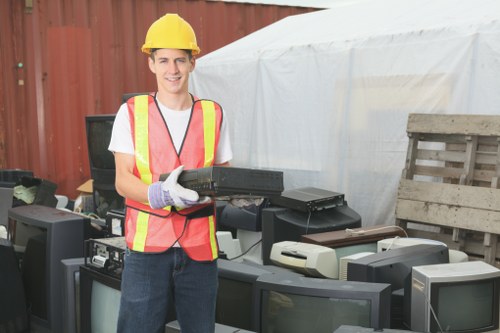
Recycling plays a pivotal role in reducing East Ham's carbon footprint and conserving natural resources. By diverting waste from landfills, the community minimizes greenhouse gas emissions.
Conserving natural resources through recycling ensures that materials are reused rather than extracted anew, preserving ecosystems and biodiversity.
The collective impact of individual recycling efforts contributes significantly to global environmental sustainability.
Reducing Carbon Footprint
Recycling reduces the need for manufacturing new products from raw materials, which often involves energy-intensive processes. This decrease in production lowers carbon emissions.
Transportation of recyclables to processing facilities also contributes to emissions. Efficient recycling practices mitigate these impacts by optimizing collection routes and processing methods.
Every item recycled is a step towards a lower carbon footprint and a healthier planet.
Conserving Natural Resources
Natural resources such as timber, water, and minerals are finite. Recycling conserves these resources by reusing materials and reducing the demand for new extraction.
For example, recycling paper reduces the need for deforestation, preserving forests and wildlife habitats.
Conserving resources through recycling supports long-term environmental health and sustainability.
Community Initiatives and Programs
East Ham is home to numerous community-driven initiatives aimed at enhancing recycling and rubbish management. These programs foster a culture of environmental responsibility and engagement among residents.
Participating in community initiatives not only supports local recycling efforts but also strengthens community bonds.
From recycling drives to educational workshops, East Ham offers various opportunities for residents to get involved and make a difference.
Recycling Drives
Regular recycling drives are organized to collect specific materials that require special handling. These events provide a convenient way for residents to dispose of items like electronics, batteries, and bulky waste.
Recycling drives are often held in collaboration with local organizations and businesses, maximizing their reach and impact.
Participation in these drives ensures that even challenging materials are recycled responsibly.
Educational Workshops
Education is key to effective recycling. East Ham hosts workshops that teach residents about proper recycling practices, the importance of waste reduction, and ways to minimize household waste.
These workshops are designed to be interactive and informative, catering to all age groups and knowledge levels.
Empowering residents with knowledge enhances the overall success of recycling initiatives in the community.
Tips for Effective Recycling and Rubbish Management
Implementing simple strategies can greatly improve recycling and rubbish management in East Ham. Here are some practical tips for residents:
- • Separate Waste Carefully: Use distinct bins for recyclables, general waste, and hazardous materials.
- • Clean and Dry: Ensure all recyclable items are clean and dry to prevent contamination.
- • Stay Informed: Keep up-to-date with local recycling guidelines and collection schedules.
- • Reduce and Reuse: Prioritize reducing waste and finding reusable alternatives before recycling.
- • Educate Your Household: Involve all family members in proper waste sorting practices.
Adopting these habits contributes to a more sustainable and efficient waste management system in East Ham.
Additionally, participating in community programs and staying engaged with local initiatives amplifies individual efforts.
Together, these practices foster a cleaner, greener East Ham for current and future generations.
Nearby Areas to East Ham
East Ham is surrounded by several neighboring areas, each offering unique features and contributing to the region's overall recycling and rubbish management landscape.
Understanding these nearby areas can provide residents with additional resources and support for their recycling efforts.
Here are some of the closest areas to East Ham:
- Kilburn: Just west of East Ham, Kilburn offers accessible recycling centers and community recycling programs.
- Plaistow: Located southwest, Plaistow has dedicated waste management services and recycling initiatives.
- Canning Town: Northeast of East Ham, Canning Town features advanced recycling facilities and sustainable waste practices.
- Forest Gate: Southeast, Forest Gate provides convenient curbside recycling and waste collection services.
- Stratford: North of East Ham, Stratford is home to major recycling hubs and eco-friendly waste solutions.
- Upton Park: Directly adjacent, Upton Park offers community-led recycling drives and educational workshops.
- Wanstead: Northwest, Wanstead emphasizes green waste recycling and composting programs.
- South Woodford: West, South Woodford provides specialized recycling services for electronics and hazardous materials.
- Leyton: South, Leyton hosts multiple recycling events and supports local waste reduction efforts.
- Ilford: Northeast, Ilford boasts extensive recycling infrastructure and public waste management services.
- Green Street Green: Southwest, Green Street Green focuses on sustainable waste disposal and community recycling education.
- Tulse Hill: East, Tulse Hill offers innovative recycling solutions and collaborates with local organizations for waste management.
- Leytonstone: Northwest, Leytonstone integrates traditional recycling methods with modern waste reduction technologies.
Frequently Asked Questions
1. What materials are accepted in East Ham's recycling program?
East Ham accepts a variety of materials, including paper, cardboard, plastics, glass, metals, electronics, and certain hazardous wastes. It's important to follow local guidelines to ensure proper recycling.
2. How often is curbside recycling collected in East Ham?
Curbside recycling is typically collected weekly. Residents should consult the local council's schedule to confirm specific collection days and any changes.
3. Where can I dispose of large or bulky items in East Ham?
Large or bulky items can be disposed of through special waste collection services or taken to designated recycling centers. It's advisable to contact the local council for specific disposal options.
4. Are there any fees associated with private rubbish disposal services in East Ham?
Private rubbish disposal services may charge fees based on the volume and type of waste. Residents should inquire with service providers for detailed pricing information.
5. How can I participate in community recycling initiatives in East Ham?
Residents can participate by joining local recycling drives, attending educational workshops, and volunteering with community organizations focused on sustainability.
Conclusion
Effective recycling and rubbish management are crucial for the sustainability and cleanliness of East Ham. By utilizing local recycling facilities, adhering to waste disposal guidelines, and participating in community initiatives, residents can significantly impact their environment positively.
East Ham's commitment to environmental responsibility serves as a model for other communities, highlighting the importance of collective effort in achieving sustainability goals.
Embracing these practices not only benefits the present community but also ensures a healthier and greener future for generations to come.
Frequently Asked Questions
East Ham Recycling utilizes state-of-the-art equipment and industry-leading methods to ensure efficient waste collection and processing. Our fleet includes eco-friendly vehicles, and we employ advanced sorting technologies to maximize recycling rates. Contact our East Ham team for a quick quote.
Yes, our East Ham-based recycling services are accredited by recognized industry bodies such as the British Waste Recycling Association (BWRA). These accreditations demonstrate our commitment to high standards and reliable waste management practices.
Absolutely. We hold all necessary certifications and insurance to ensure our recycling and waste management services in East Ham comply with legal requirements and provide peace of mind to our customers.
East Ham Recycling prides itself on an impressive recycling rate, diverting over 98% of collected materials from landfills. Our commitment to environmental responsibility ensures that materials are reused and recycled efficiently.
With over a decade of experience in East Ham, our team of waste management experts has the knowledge and skills to handle all your recycling and rubbish needs efficiently and effectively.
We offer competitive and transparent pricing for our recycling and rubbish services in East Ham. Our affordable rates ensure you receive top-quality service without breaking the bank. Get in touch for a personalized quote.
Yes, we provide same-day waste collection services in East Ham to accommodate urgent needs. Our flexible scheduling ensures that your recycling and rubbish are handled promptly and efficiently.
East Ham Recycling is dedicated to sustainable practices, using eco-friendly processes and materials. We prioritize recycling, reduce waste, and implement environmentally responsible methods to protect our local community.
We manage a wide range of waste types in East Ham, including household rubbish, construction debris, electronic waste, and more. Our specialized services ensure proper disposal and recycling tailored to your specific needs.
Transparency is a core value at East Ham Recycling. We provide clear and detailed pricing with no hidden fees, ensuring you understand exactly what you're paying for. Our straightforward approach builds trust and satisfaction.
Yes, our East Ham team specializes in property clearances, handling everything from single-item removals to full property cleanouts. Contact us to arrange a convenient time for your clearance needs.
Our long-standing presence in East Ham, combined with industry accreditations, comprehensive insurance, and a commitment to ethical practices, makes our waste management services highly trustworthy and reliable.
Recycled London
A comprehensive guide to recycling and rubbish management in East Ham, covering facilities, services, guidelines, environmental impact, community initiatives, and nearby areas.